
Spaces & Stories
A Small Studio, A Bigger Mind
A small room can hold many ways of working. Clear zones, useful vertical space, and a few personal objects help a studio feel open to possibility.
READ MOREBefore an object finds a place on a desk, it begins with a question about use. A look at the design decisions that connect material, form, and everyday routines.
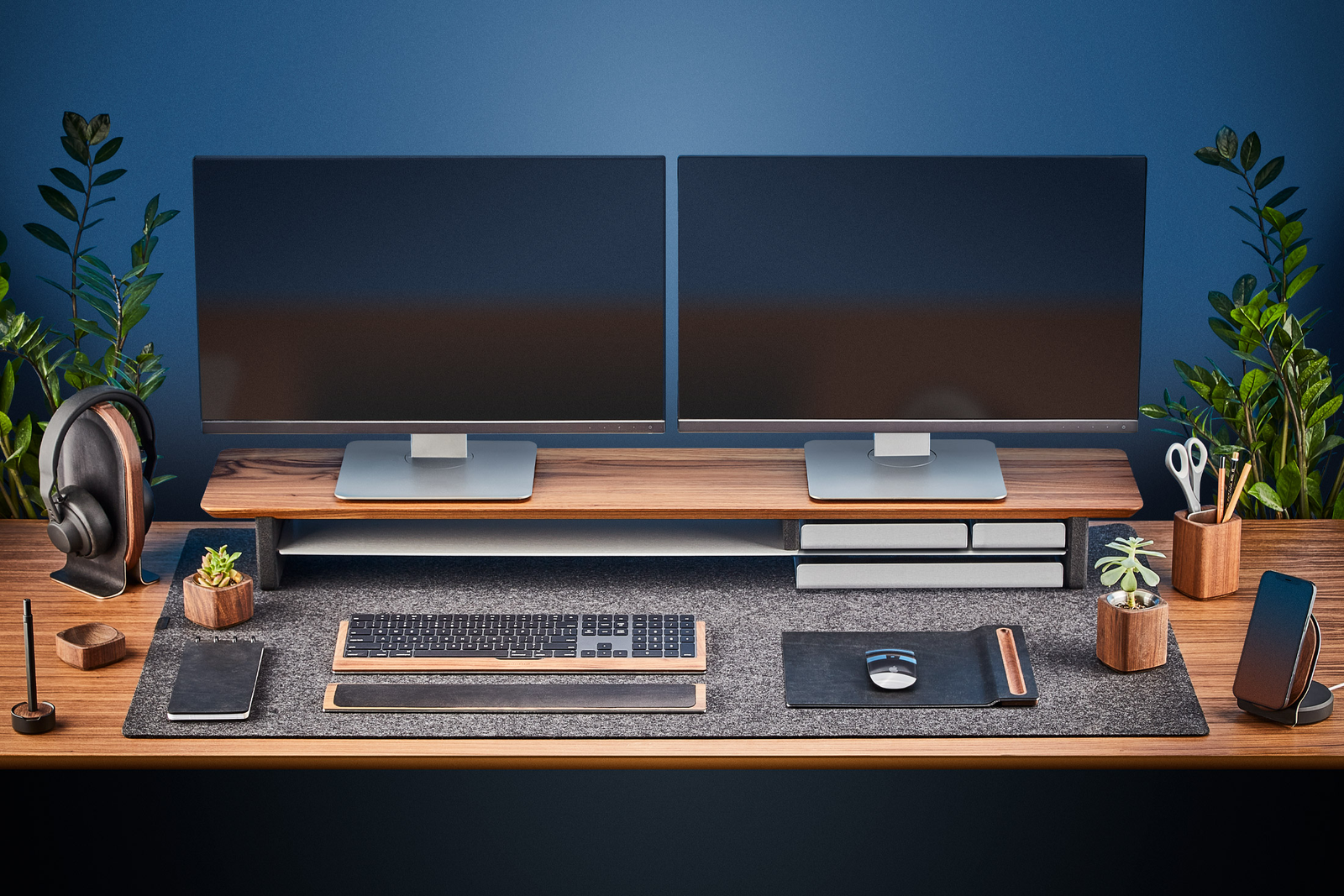
The journey from wood to workspace begins before a material is chosen. It begins with an ordinary moment: setting down a phone, reaching for a pen, or making room for an open notebook. What should an object make easier? What should it leave out of the way? Those questions give a design a reason to exist beyond its appearance. This behind-the-scenes story looks at the thinking that connects a material idea to an everyday object. It is not a factory tour or a claim about a particular supplier's production methods. The useful starting point is a design brief: the task, the setting, and the small frustrations an object might help resolve. A finish can make an object appealing, but purpose is what gives it a place in a routine.
Wood introduces grain, variation, and a sense of visual warmth. Those qualities influence how an object sits alongside the harder, more uniform surfaces often found on a desk. A broad wooden surface tells a different visual story from a narrow edge or a small detail. Proportion determines how much of that story the surrounding space can comfortably hold. The same attention belongs in practical decisions. An object should have enough room to serve its purpose without occupying the whole work area. Edges, openings, contact surfaces, and the relationship between separate parts all deserve consideration. For a specific product, its published specifications remain the reference for construction, dimensions, assembly, intended use, and care. The appearance of wood in a photograph alone cannot establish how an item is made.
An object's story continues after it reaches a workspace. It needs to be easy to place, easy to understand, and practical to live with. Sometimes the most valuable design decision is a detail you stop noticing because it lets the task happen naturally. At TideCool, the Journal gives us room to discuss those decisions alongside the finished setting. Our interest is in the connection between material character and useful form: how an object looks, where it belongs, and what it helps you do. From wood to workspace, the aim is a considered place in everyday life.
A small room can hold many ways of working. Clear zones, useful vertical space, and a few personal objects help a studio feel open to possibility.
READ MORE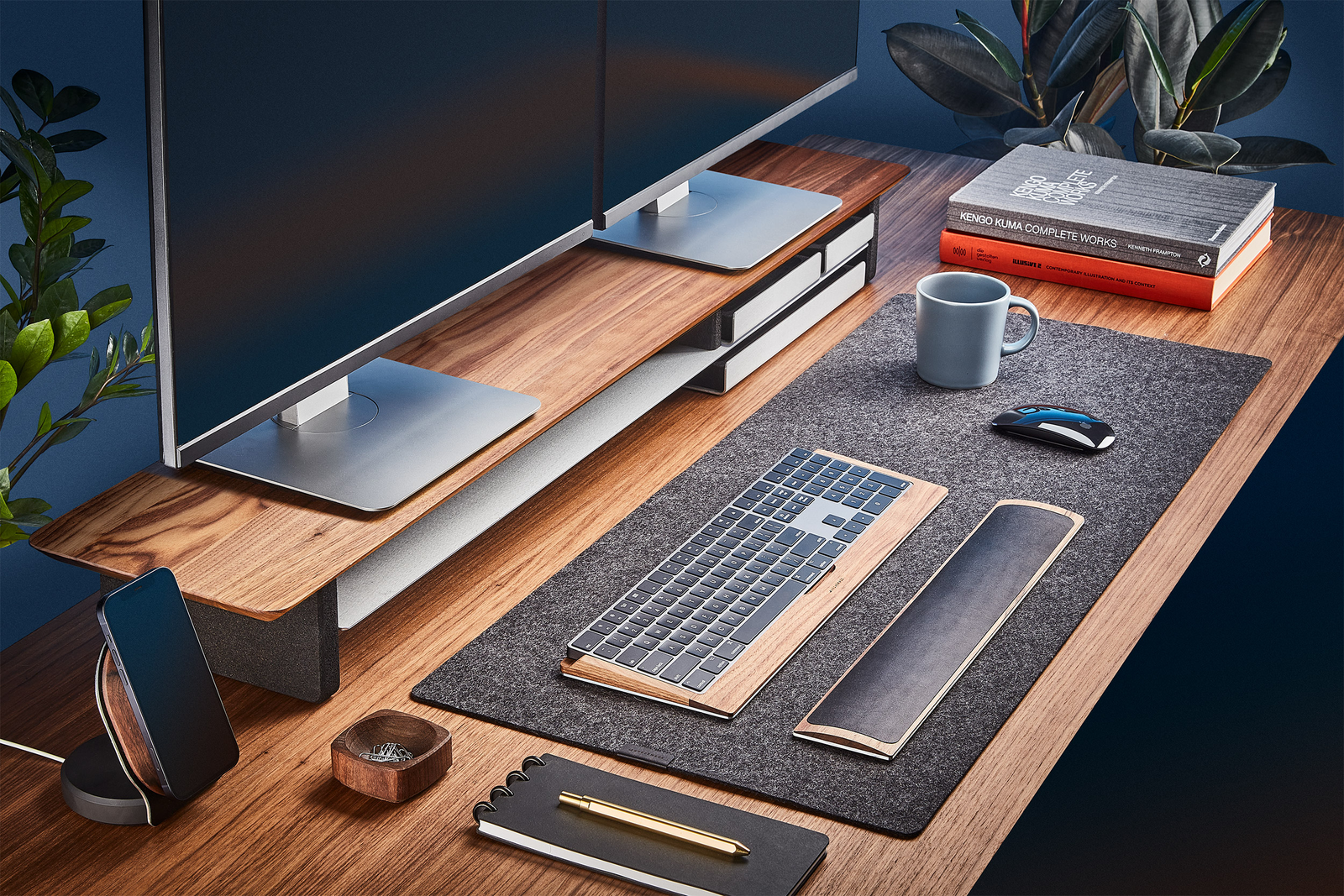
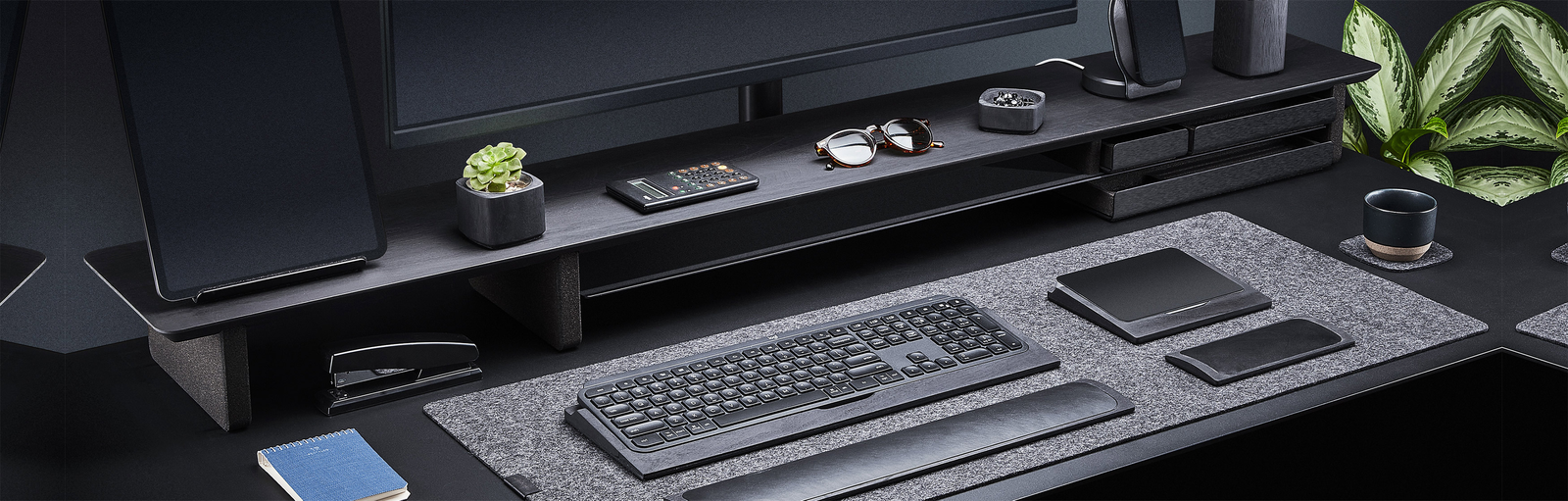
A place for the small things, with walnut at the centre of the story. An introduction to the design thinking behind a more considered desk organizer.
READ MORE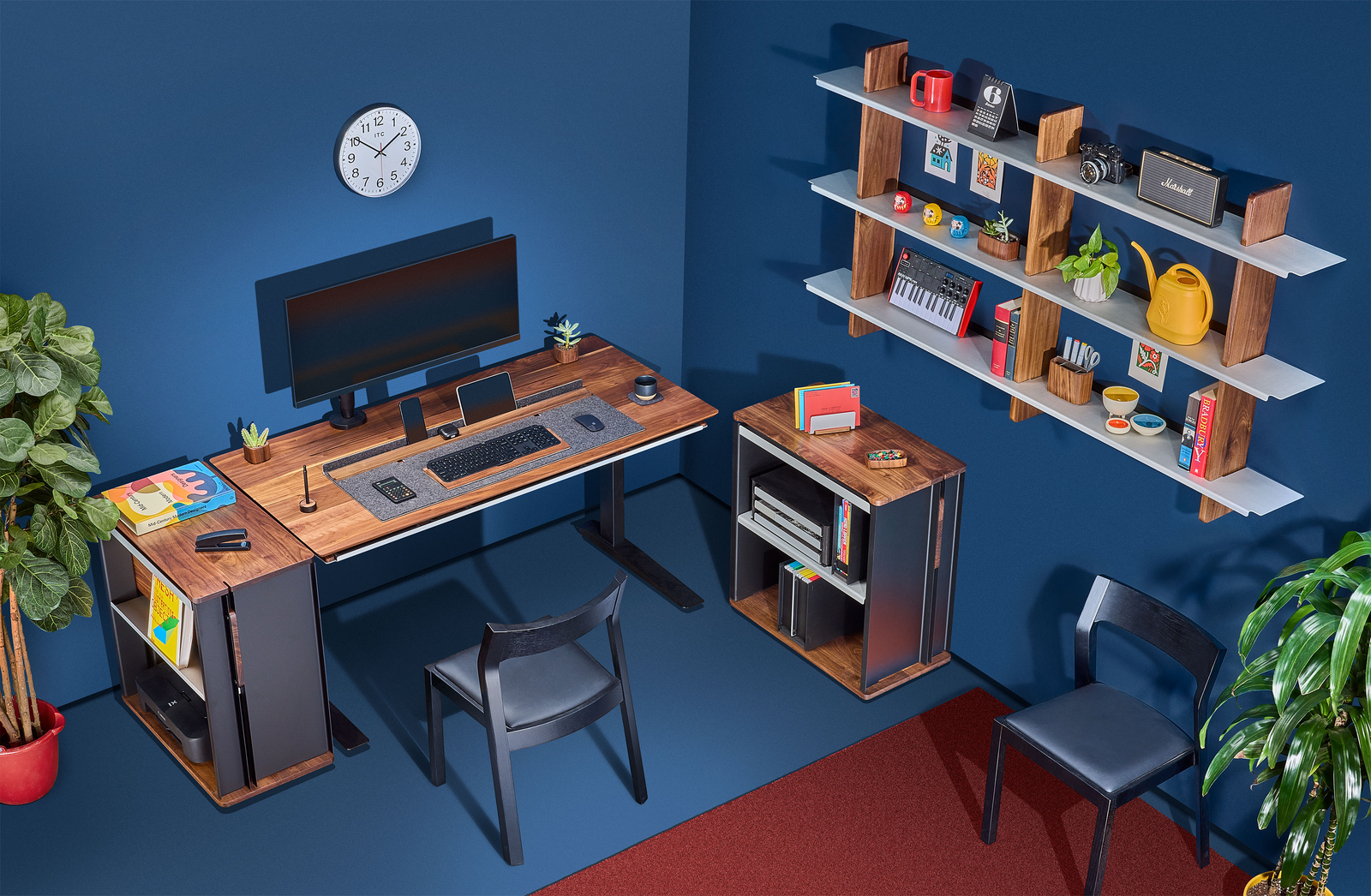
A calmer desk begins with a few considered choices: room to work, a place for everyday objects, and materials that feel at home around you.
READ MORE