
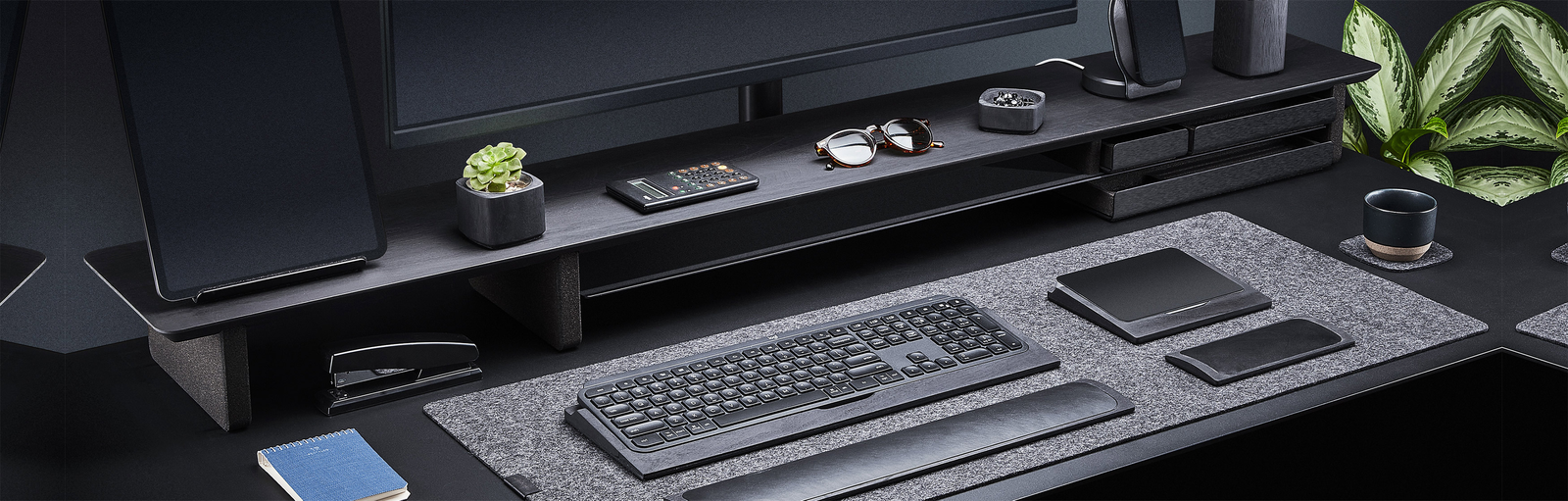
Behind the Scenes
From Wood to Workspace
Before an object finds a place on a desk, it begins with a question about use. A look at the design decisions that connect material, form, and everyday routines.
READ MOREA small room can hold many ways of working. Clear zones, useful vertical space, and a few personal objects help a studio feel open to possibility.
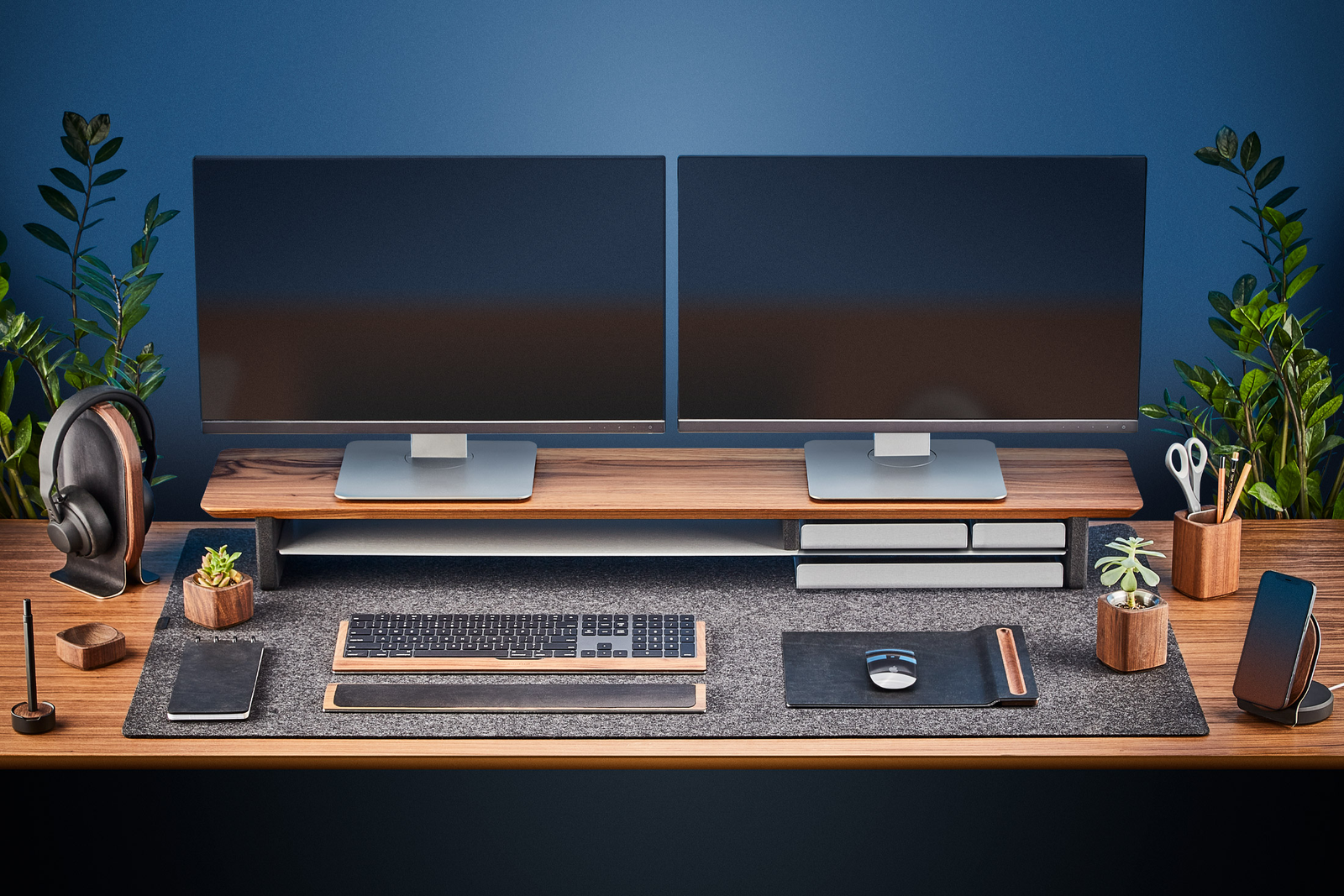
A small studio may be an office in the morning, a place to make something in the afternoon, and part of a living room by evening. Its value is not measured only in floor area. What matters is whether it can support the activities you care about without making every change of task feel like a complete reset. This is a space to imagine, rather than a tour of a particular person's home. Picture a desk against a wall, a nearby place for supplies, and one surface that can be cleared when an idea needs room. The aim is not to fit the largest possible collection of furniture into a small room. It is to give each area a useful role and allow the roles to change when they need to.
The edges of a room can do quiet, useful work. A shelf can hold occasional supplies away from the main surface. A hook can give a bag a consistent place. A compact tray can gather objects that otherwise travel between the desk and the rest of the room. Before adding storage, check what you need to reach, how often you use it, and whether the arrangement remains comfortable to live with. Vertical arrangements can make a small space feel more organized, but they should not become a reason to crowd every wall. Leave breathing room around objects. Keep sightlines where they make the room pleasant to spend time in. Where a shelf or other fixture needs mounting, follow the product's instructions and confirm that the wall and fixings are suitable for the intended use.
A studio also needs a way to pause. Closing a notebook, putting loose tools in a tray, or turning a task light off can mark the boundary between working and resting, even when both happen in the same room. The gesture can be small; what matters is that it is easy to repeat. There is no single perfect layout for a compact space. Start with the work you want to make possible, then choose the few objects that help it happen. A small studio can leave room for a bigger mind when it feels adaptable, personal, and ready for the next idea.
Before an object finds a place on a desk, it begins with a question about use. A look at the design decisions that connect material, form, and everyday routines.
READ MORE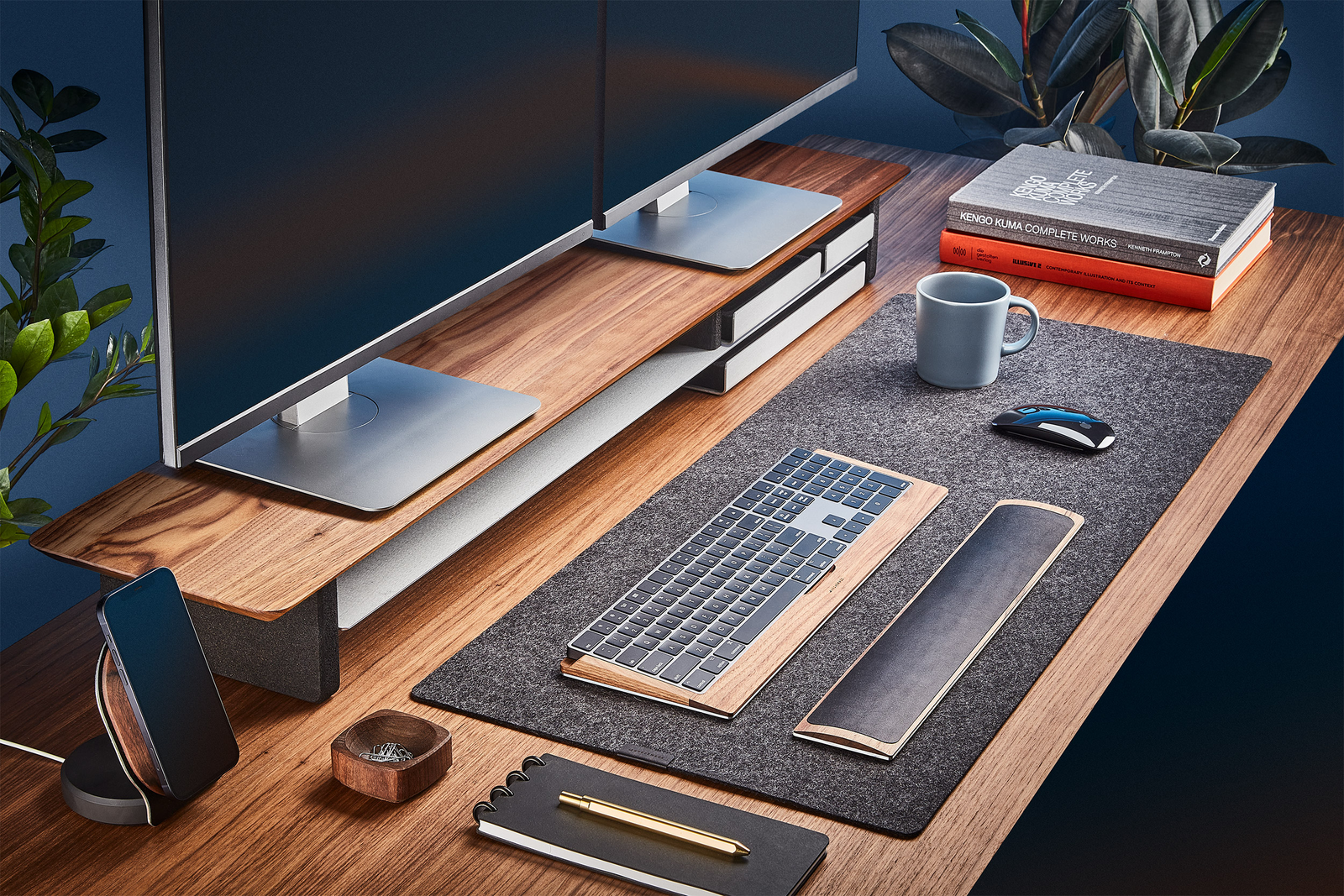
A place for the small things, with walnut at the centre of the story. An introduction to the design thinking behind a more considered desk organizer.
READ MORE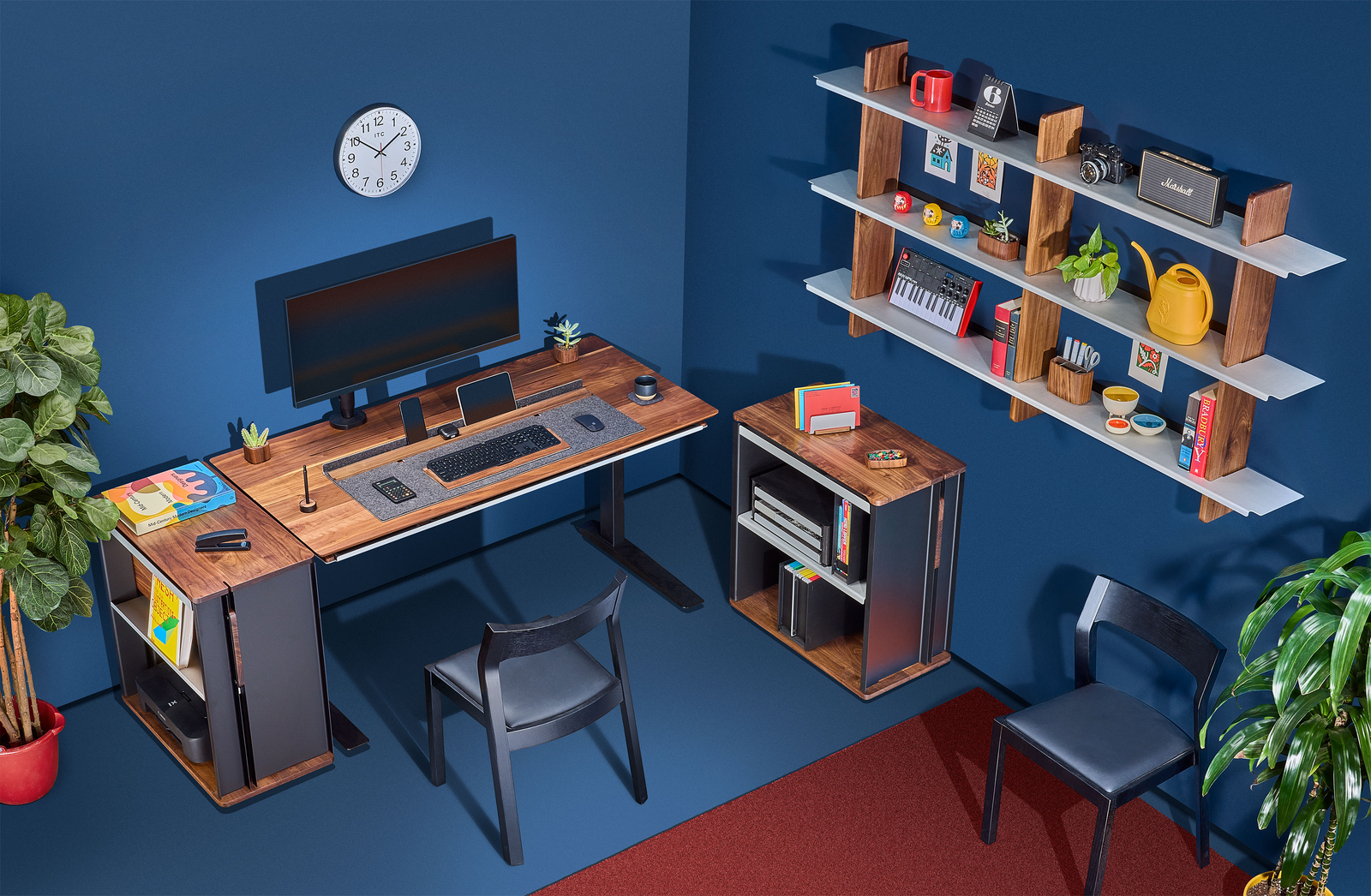
A calmer desk begins with a few considered choices: room to work, a place for everyday objects, and materials that feel at home around you.
READ MORE